
Scientists first isolated this plant compound in 1852. Here’s how it ended up in a cream for dark spots.
The 170-year story of arbutin and tranexamic acid: from a 19th-century pharmacy shelf to a modern, fragrance-free cream for the look of uneven tone.

You’ll learn: Where arbutin comes from, and why scientists have studied it for so long.
Every few months there’s a new “miracle” ingredient for dark spots. Most of them have a few years of history behind them, sometimes less.
The two key ingredients in Seora have a lot more.
Long before today’s skincare launches, scientists were studying arbutin, a compound that occurs naturally in the bearberry plant. First isolated in 1852, it went on to become the subject of decades of research into melanin, the pigment behind dark spots and uneven patches.
Then, in 1979, researchers began exploring a second ingredient’s connection to pigmentation: tranexamic acid.
Seora brings these two extensively studied ingredients together in one modern brightening cream. Here’s how we got here.

You’ll learn: The key moments, from the first botanical drawings to modern pigment research, with the original documents one tap away.
A story more than 170 years in the making
Tap any source to read the original, or a plain-English summary, right here on the page. Each milestone also says honestly what it does and doesn’t show.
- Era I · 1761–1820The plant on record
Botanists and pharmacists document bearberry.
-
1761
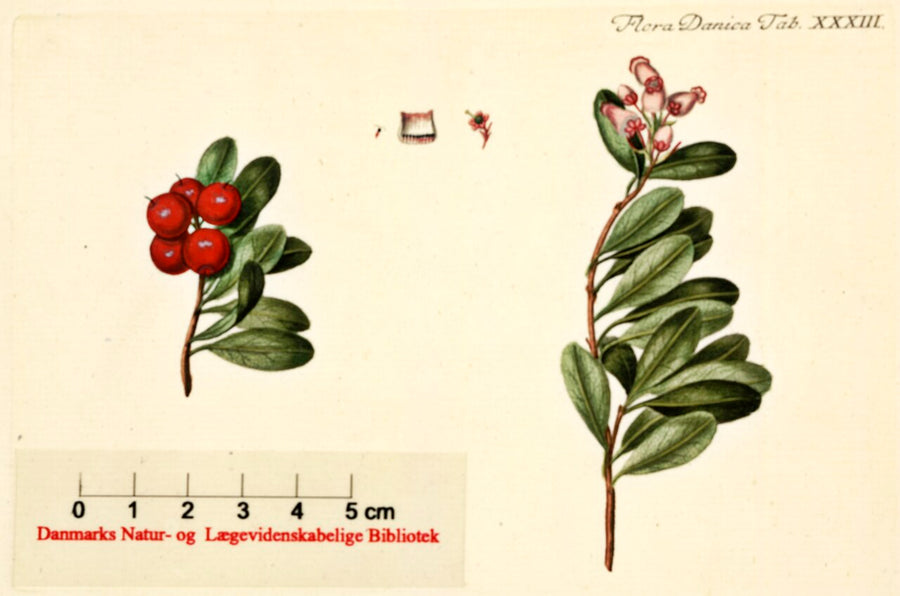
Flora Danica, plate 33 (1761). Public domain, via Wikimedia Commons.
Bearberry is drawn for a royal botanical atlas
Bearberry is illustrated and catalogued in Flora Danica, a Danish royal atlas of plants begun in 1761, long before chemists knew what was inside its leaves.
What this shows: A botanical record of the plant, not a medical or skincare one.
-
1820
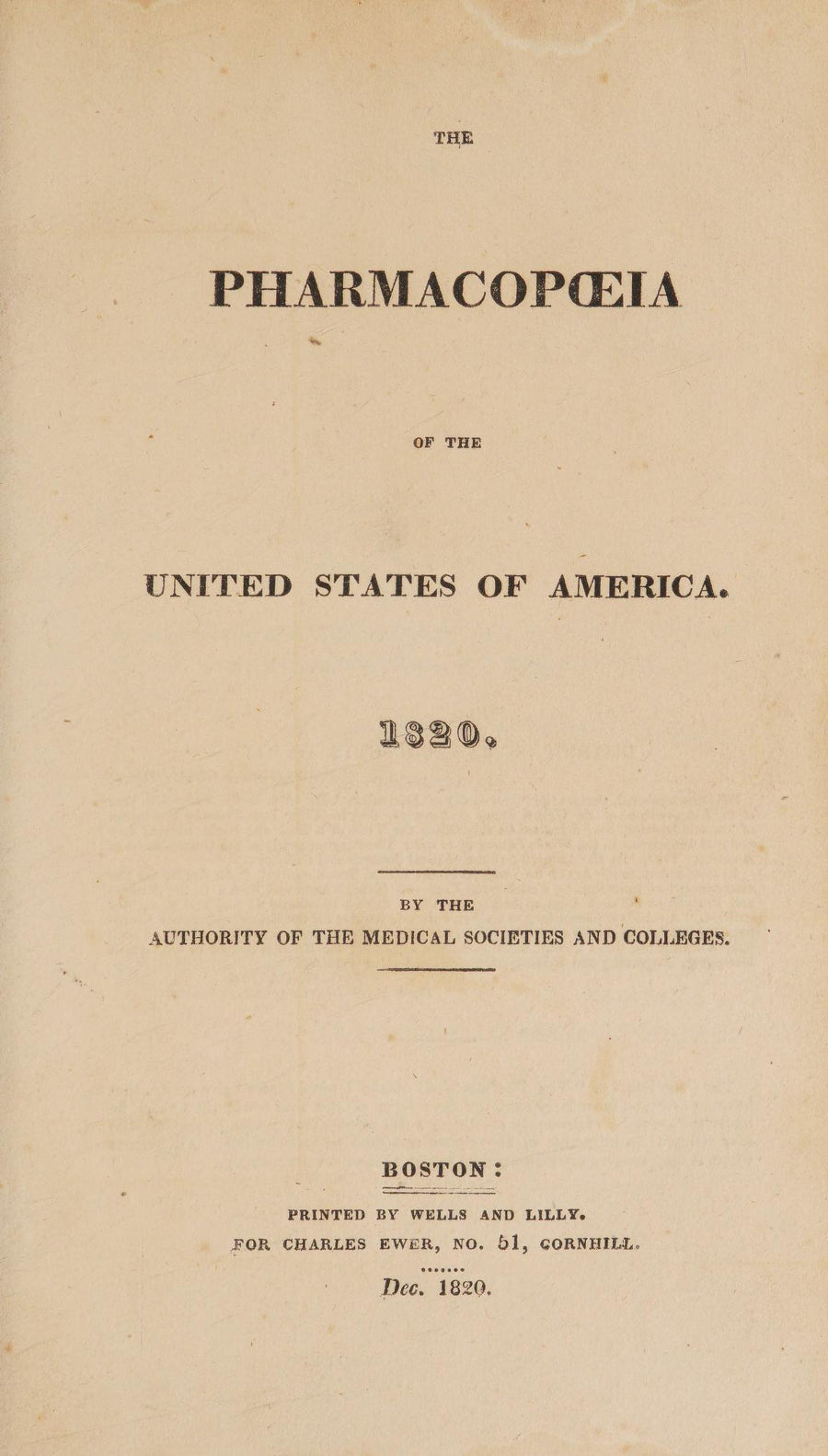
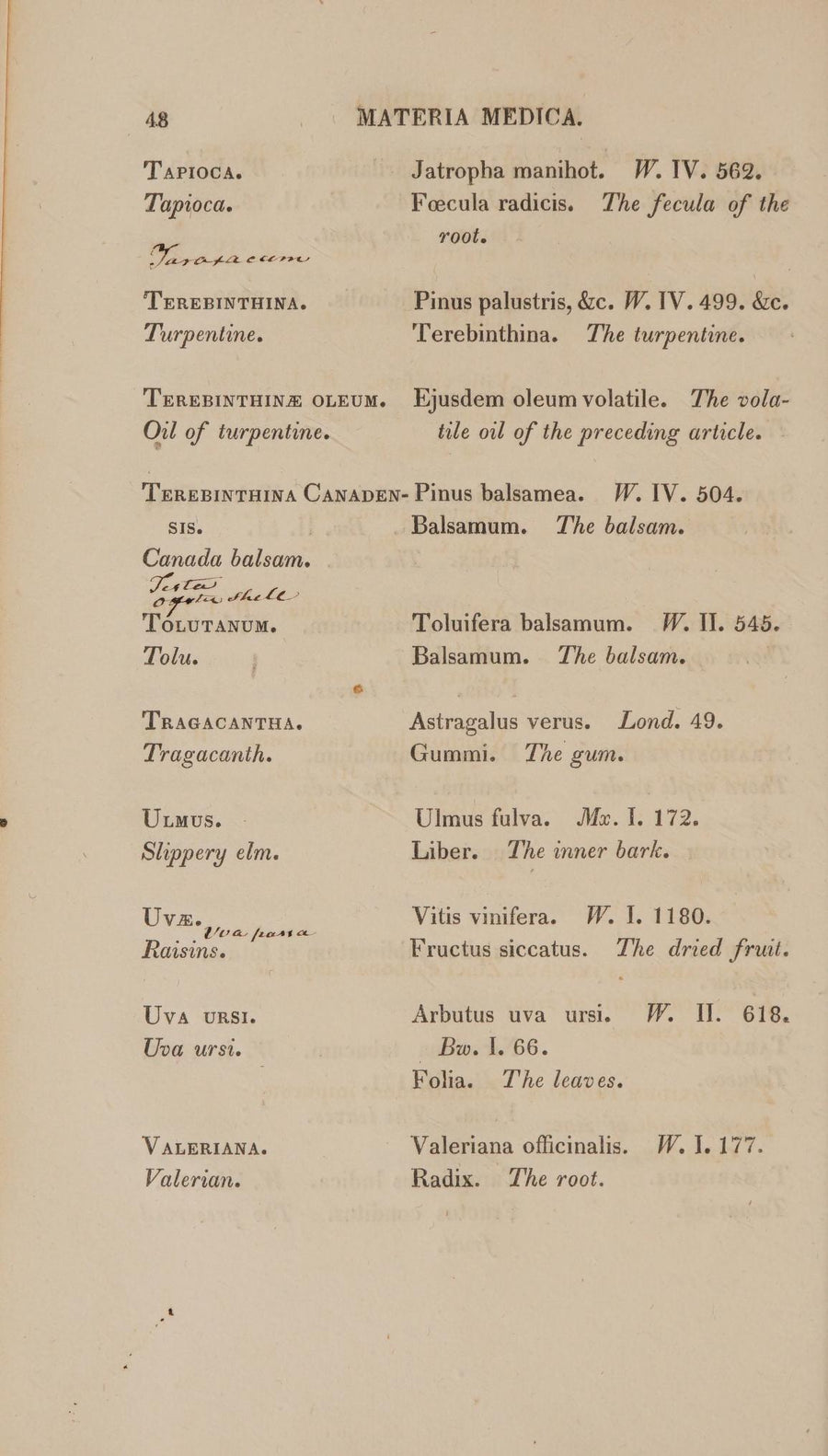
Left: title page of the first U.S. Pharmacopeia (1820). Right: its listing for Uva ursi, bearberry. Public domain, via Internet Archive.
Bearberry enters the U.S. Pharmacopeia
Bearberry (Arctostaphylos uva-ursi), a low evergreen shrub from northern climates, is listed in the first U.S. Pharmacopeia, the official reference book of medicines at the time.
What this shows: How long the plant has been part of pharmaceutical science. Back then it was used as a medicine, not in skincare.
- Era II · 1852–1903The compound inside it
Chemists isolate arbutin, and doctors write about it.
-
1852
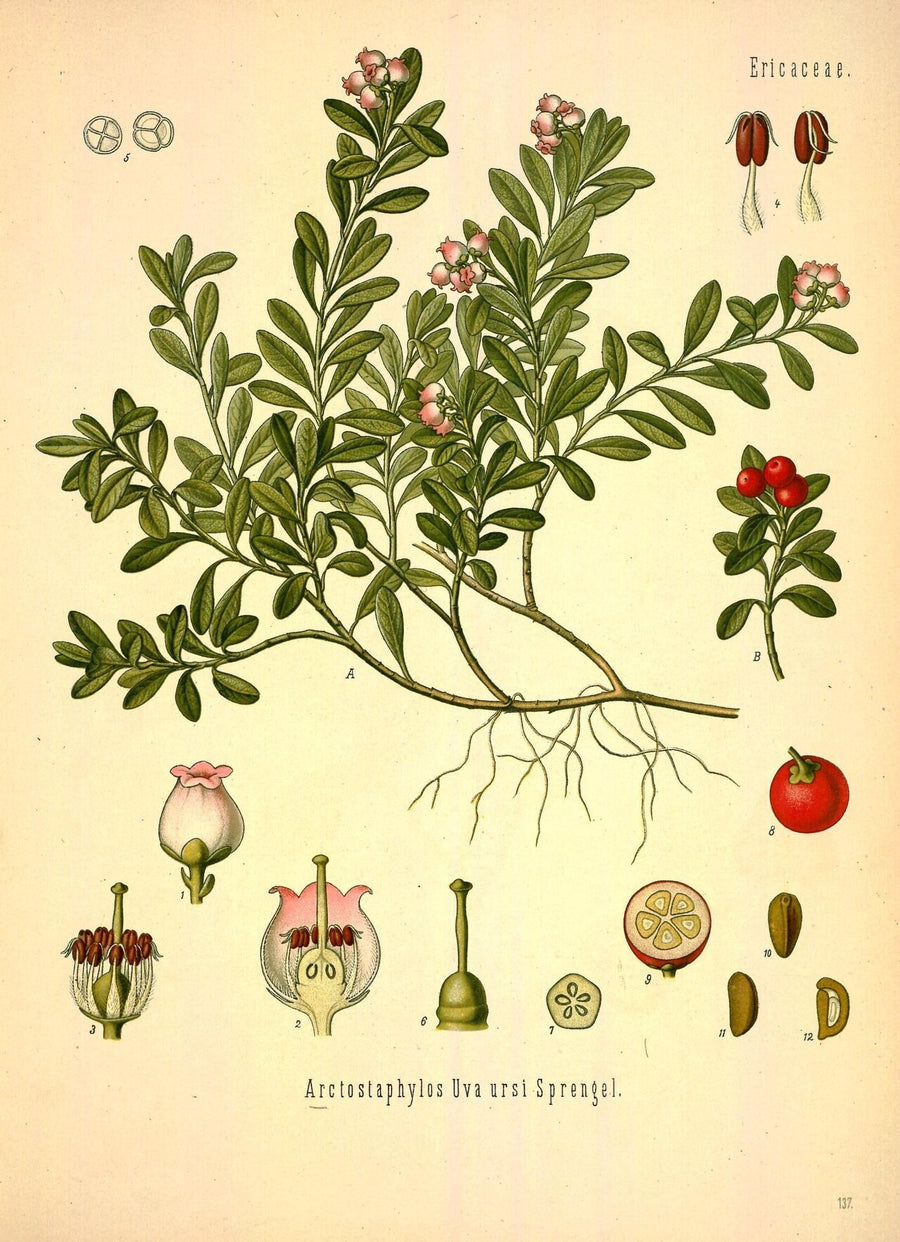
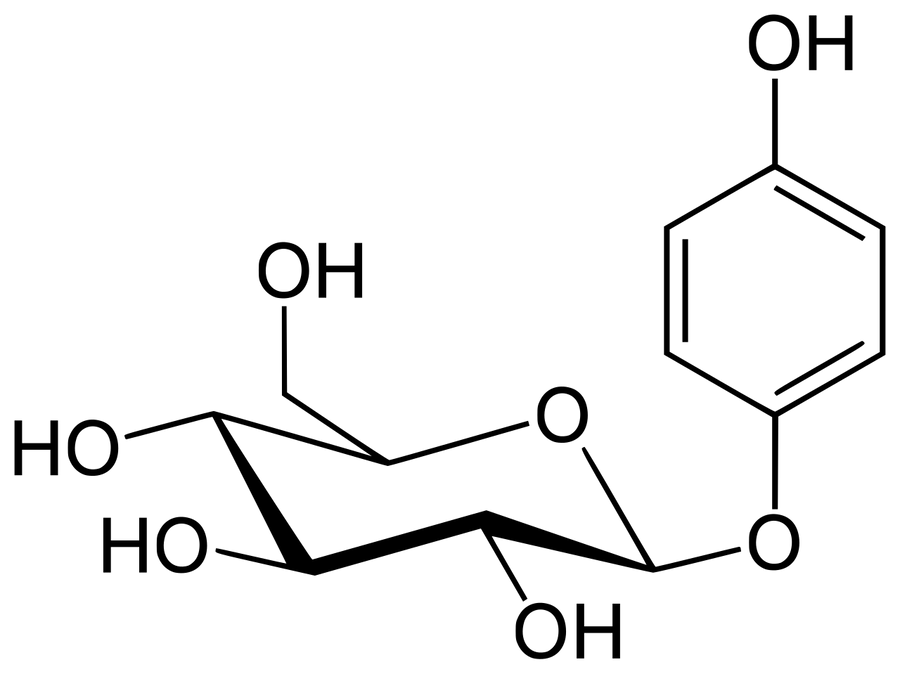
Left: bearberry, from Köhler’s Medizinal-Pflanzen (late 1800s). Right: the chemical structure of arbutin. Public domain.
Arbutin is isolated from the plant
Chemists isolate arbutin, a compound that occurs naturally in bearberry leaves, for the first time. Six years later, in 1858, its chemical makeup is investigated.
What this shows: Where arbutin's story as a known, named compound begins, more than 170 years ago.
-
1887
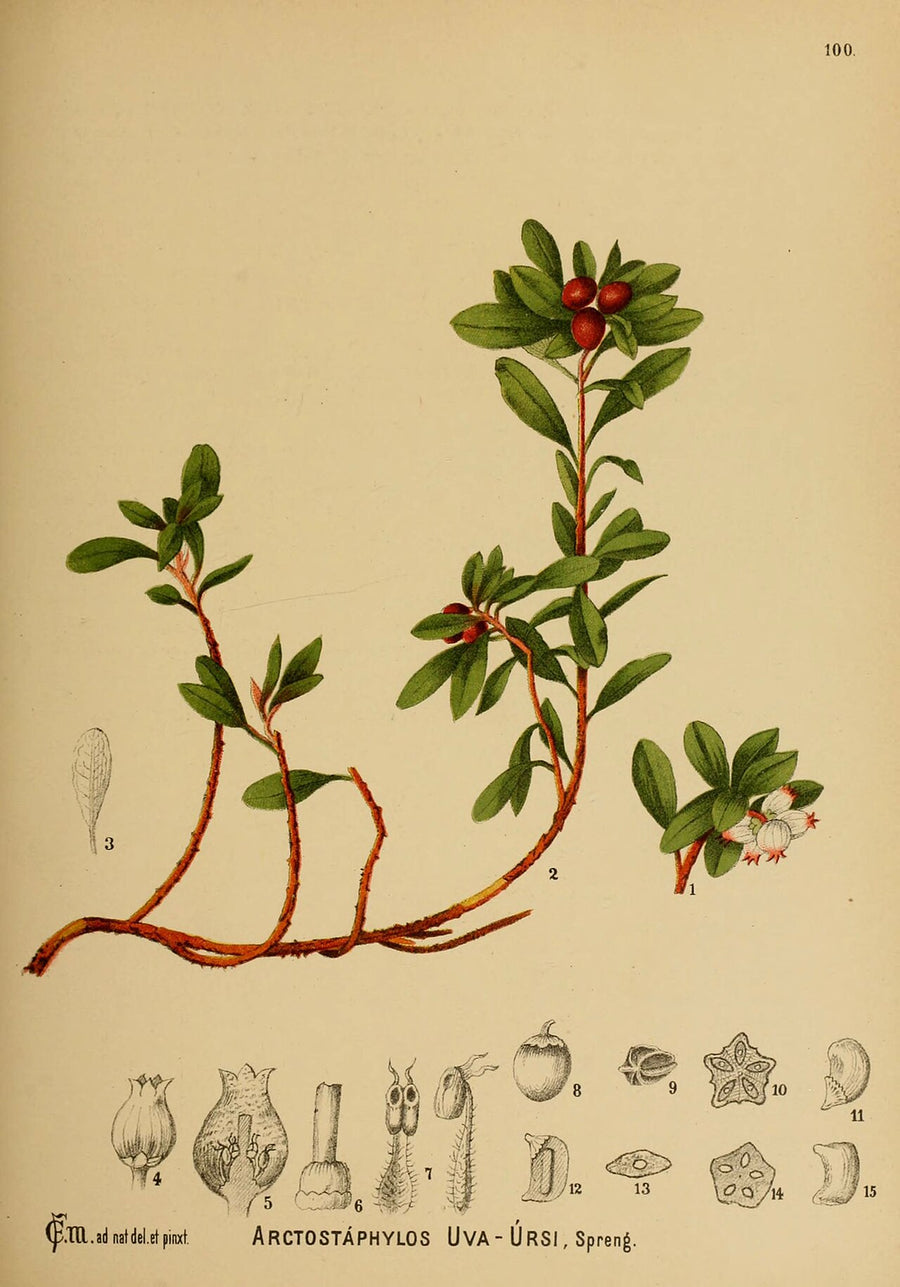
Plate 100, American Medicinal Plants by Charles F. Millspaugh (1887). Public domain, via Wikimedia Commons.
A fixture of medicinal plant references
Bearberry appears in Charles F. Millspaugh’s American Medicinal Plants, one of the best-known illustrated plant references of its time.
What this shows: The plant’s long place in medicinal references. Its use then was medicinal, not cosmetic.
-
1903
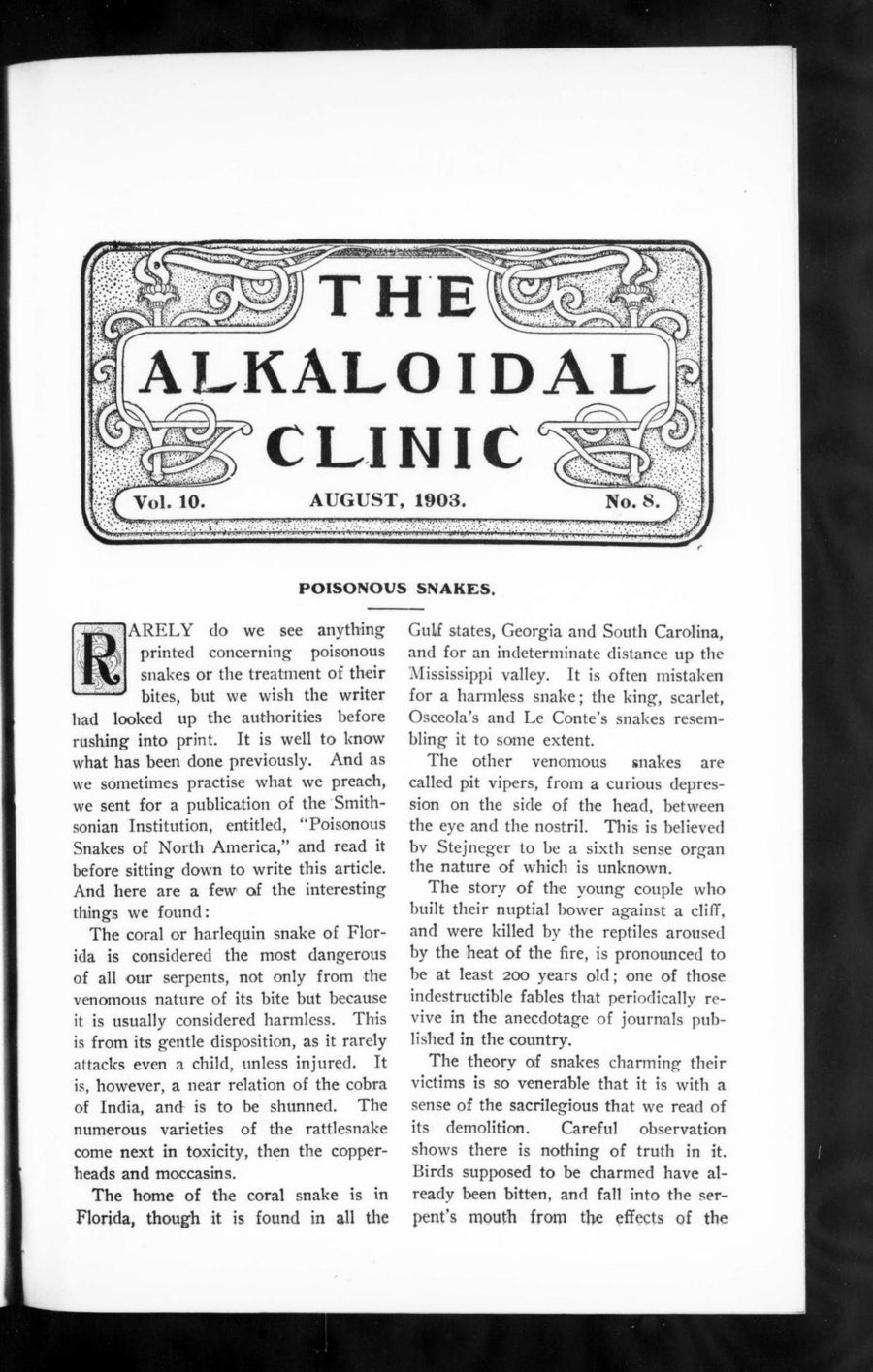
The Alkaloidal Clinic, August 1903. Public domain, via Internet Archive.
Doctors write about it in The Alkaloidal Clinic
A 1903 issue of this medical journal discusses arbutin from bearberry: its chemistry and how it was being used by physicians of the day.
What this shows: That arbutin was well known to medicine over a century ago. It isn't evidence about dark spots or skin tone.
- Era III · 1962–1996The science of pigment
Researchers connect both ingredients to how skin makes melanin.
-
1962
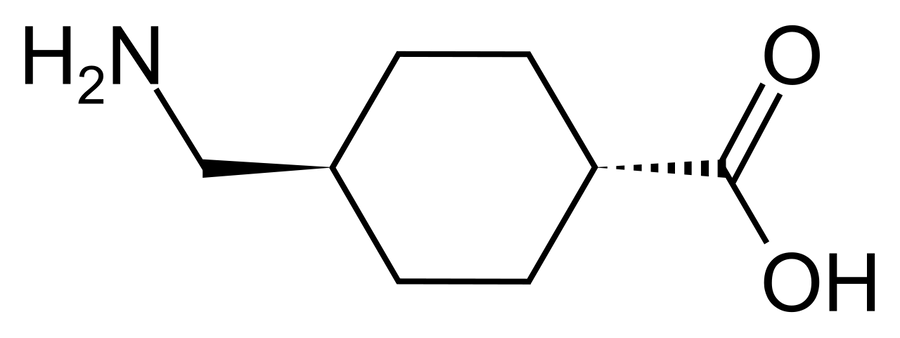
The chemical structure of tranexamic acid.
Tranexamic acid is discovered in Japan
At Keio University in Tokyo, researchers Shosuke and Utako Okamoto publish their work on AMCHA, a new compound that slows the breakdown of blood clots. In 1964 they identify its active “trans” form: tranexamic acid.
What this shows: Tranexamic acid’s long research record. Its original use had nothing to do with skin.
-
1979
An unexpected link to pigmentation
A Japanese report by Nijo Sadako describes tranexamic acid in connection with melasma, one of the first times the ingredient was tied to uneven pigmentation.
What this shows: The start of tranexamic acid's history in pigmentation care. That early report looked at tranexamic acid taken by mouth, not a cream like Seora.
-
1992
Bearberry meets the melanin enzyme
Researchers in Japan report that bearberry extract and isolated arbutin inhibited tyrosinase, the enzyme skin uses to make melanin, in laboratory experiments.
What this shows: A lab result, not a human trial. It's the first clue to why arbutin later became a skincare ingredient.
-
1996
Studied in human pigment cells
Researchers at Shiseido investigate how arbutin affects tyrosinase activity and melanin production in cultured human melanocytes, the cells that make pigment.
What this shows: A scientific basis for how arbutin is thought to work. It's a cell study, not a measure of results on people's skin.
- Era IV · TodayOne modern formula
Seora puts the two together in one cream.
-
Today
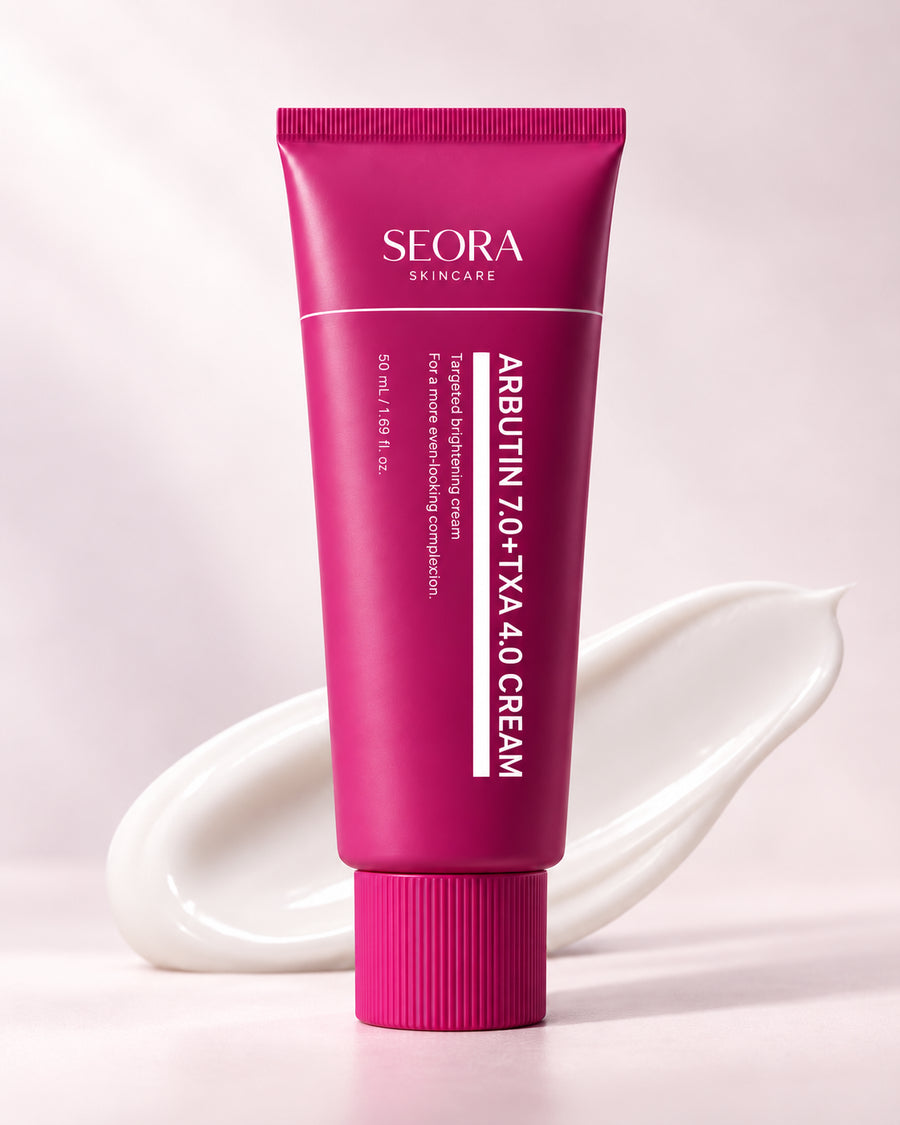
Seora Arbutin 7% + Tranexamic Acid 4% Cream.
Seora brings the two together
7% arbutin and 4% tranexamic acid, with niacinamide, in one light, fragrance-free cream made for the look of dark spots and uneven tone.
In short: Our cream is modern. The research history behind its two key ingredients goes back generations.
Historical milestones describe the research history of arbutin and tranexamic acid as ingredients. They are not studies of Seora's cream and are not a promise of results.
See today's offerYou’ll learn: How a dark spot forms in five steps, and exactly which step each of Seora’s key ingredients works on.
How a dark spot forms (and where Seora steps in)
A dark spot isn’t something sitting on top of your skin. It’s extra pigment your skin made in response to something. Follow the five steps.
-
Something irritates your skin
A breakout, a razor bump, friction from your glasses, or the sun. Your skin reads it as a threat.
-
Skin cells send an alarm
The irritated cells release chemical signals that travel down to the melanocytes, the cells that make pigment.
Tranexamic acid works hereIt’s studied for quieting some of these signals, so fewer “make more pigment” messages get through.
-
The pigment factory switches on
Inside the melanocyte, an enzyme called tyrosinase turns building blocks into melanin. More alarm signals means more tyrosinase at work.
Arbutin works hereIt’s studied for slowing tyrosinase itself, so less new melanin gets made.
-
Melanin is passed upward
The melanocyte packs melanin into tiny bundles and hands them to the skin cells above it.
-
A dark spot appears
Extra melanin collects in one area and shows through as a dark mark. On melanin-rich skin it can linger for months while skin slowly renews.
A simplified explanation of pigmentation, for education. Seora is a cosmetic cream for the look of dark spots. It is not a drug and doesn’t treat medical conditions.
Two ingredients. Two steps. One cream.
Now that you know the steps, here’s each ingredient’s job, side by side.
Arbutin
Isolated 1852 · tyrosinase research since 1992
Arbutin is studied for slowing tyrosinase, the enzyme that turns pigment building blocks into melanin. Less enzyme activity, less new pigment piling up in one spot.
- Trigger
- Tyrosinase
- Melanin
Acts at the enzyme step.
Tranexamic acid
Developed early 1960s · pigmentation research since 1979
Tranexamic acid is studied for quieting some of the signals that tell pigment cells to make more melanin, the kind set off by sun, breakouts and irritation.
- Sun or irritation
- Signals
- Pigment cells
Acts on the signal step.
Why pair them?
Rather than lean on one ingredient and one step, Seora combines two that researchers have looked at from different angles, plus niacinamide to help skin look smoother and more even overall. The goal is the look of a spot blending back into your own shade, not a lighter complexion.
Seora is a cosmetic cream for the look of dark spots and uneven tone. It is not a drug and isn't intended to treat any medical condition. Results vary. Use with daily sunscreen.
You’ll learn: What’s in the tube, how to use it, and five myths about dark spots.
From the archive to your bathroom shelf
Seora is a light, fragrance-free cream with 7% arbutin and 4% tranexamic acid, both strengths printed right on the tube, plus niacinamide. No mystery “brightening complex.”
It’s made for one job: evening out the look of dark spots and uneven patches so they blend back into your natural shade. Not to make you lighter.
Five things people get wrong about dark spots
Tap each card to see what’s actually true.

- 7% arbutin + 4% tranexamic acid, strengths on the label
- Fragrance-free, light texture, layers under makeup
- Subscribe & Save 25% is pre-ticked; untick it for a one-time order
- Free US shipping on orders of $60+
Ships in 1–3 business days · Secure Shopify checkout
You’ll learn: What more than 1,300 verified customers say after using it.
170 years of research. 1,300+ reviews from today.
“It has been only two weeks that i have started using the product twice per day, and I am already noticing my dark spots getting lighter.”
Two weeks in, twice a day
“I have been dealing with dark spots around my mouth for five years now … they're still kind of there but they're not as potent as before and when I look in the mirror I do feel pretty. I've only been using the product about a month”
 Angela C. ✓ Verified buyer
Spots around the mouth · about 1 month
“For me, I had dark patches under my eyes and dark bumps under chin and neck from shaving. The difference is night and day.”
 Ronda A. ✓ Verified buyer
Shaving marks
“The black marks on my skin for years has lightened. Understand I am 77 years old so it will take awhile to be completely gone. I no longer wear concealer”
 Bianca O. ✓ Verified buyer
Years-old marks
Now the honest part: it isn’t magic, and we won’t pretend it is. Older, deeper marks take months, not days. The people who see the most change are the ones who keep going.
“It works but very slowly, not magic. On my fourth tube now.”
 Monica C. ✓ Verified buyer
Stubborn spots take time
Real customers. Real skin. No filters.
Why a bundle makes sense
Reviewers most often describe a visible difference around weeks 4 to 6 of twice-daily use, and stubborn marks take longer. The worst outcome is running out right before it starts to show.
That’s why every bundle below is Buy 1, Get 1 Free. Pick how many tubes you want; the more you get, the less you pay per tube.


Time-tested ingredients. Modern skincare.
Every bundle is Buy 1, Get 1 Free. Choose how many tubes you want below.
- Free US shipping on $60+
- Ships in 1–3 business days
- Fragrance-free formula
- Secure Shopify checkout
Why women stop covering and start fading
General comparison for typical use. In-office treatments vary by provider; ask a dermatologist what’s right for your skin.
Is Seora right for you?
Seora is for you if…
- ✓You have dark marks left behind by breakouts
- ✓You have spots from shaving, waxing, glasses or sun
- ✓You want an even tone in your own shade, not a lighter one
- ✓You’ll use it morning and night and wear SPF for at least 4–6 weeks
Seora isn't for you if…
- ✕You want to change your overall skin color
- ✕You expect results overnight
- ✕You won’t wear sunscreen during the day
- ✕Your skin is broken or irritated right now
- ✕You’re pregnant, breastfeeding or treating a skin condition and haven’t asked your doctor
Shop with confidence
Unopened, unused products can be returned within 30 days of purchase for a refund or exchange. Opened skincare can't be returned for hygiene reasons. If your order arrives damaged or wrong, email support@seoraskincare.com within 7 days of delivery and we'll replace or refund it. Real people answer every email.
Questions, answered honestly
How soon will I see results?
It depends on the spot and on how consistently you use it. Some reviewers notice a change within 1–2 weeks; many describe a visible difference around 4–6 weeks; older, stubborn spots can take a few months. Use it twice a day and wear sunscreen every morning. Results vary.
Does a long research history mean it will work for me?
No guarantee, and we won’t pretend otherwise. The history shows these ingredients have been studied for a long time; it isn’t a study of Seora’s cream or a promise about your skin. Most reviewers describe a visible change around 4–6 weeks of twice-daily use with sunscreen, and stubborn marks take longer. Results vary.
Will it make my skin lighter?
No, and it isn't made to. Seora targets the look of dark spots and uneven patches so they blend back into your natural shade. It's about an even-looking tone, not a lighter one.
Does it work on deeper skin tones?
Many of our reviewers have deeper skin tones and write about marks from breakouts, shaving and sun. As with any active, patch-test first and introduce it slowly.
I have sensitive skin. Is it gentle?
No fragrance or parabens appear in the ingredient list, and many reviewers mention no burning or stinging. Some people notice mild dryness in the first days; a plain moisturizer helps. Patch-test first, and stop using it if irritation continues.
Do I have to subscribe?
No. Subscribe & Save is pre-ticked in the offer box, but you can untick it for a one-time order. If you keep it, your bundle is delivered every 30 days at the subscription price per tube until you cancel, and you can skip or cancel any time from Manage subscription.
How long does shipping take?
Orders are processed in 1–3 business days. US delivery usually takes about 3–7 business days after that. US orders of $60 or more ship free; smaller orders ship for $4.95.
What's your return policy?
Unopened, unused products can be returned within 30 days of purchase for a refund or exchange. For hygiene reasons, opened skincare can't be returned. If anything arrives damaged or wrong, email support@seoraskincare.com and we'll make it right.
Can I use it if I'm pregnant, breastfeeding, or have a skin condition?
Please check with your doctor first. Seora is a cosmetic cream for the look of dark spots; it isn't a treatment for medical skin conditions.
P.S. If you scrolled straight to the bottom, here’s the short version.
Arbutin was first isolated from the bearberry plant in 1852. Tranexamic acid was first linked to pigmentation in 1979. Both have been researched for decades on how skin makes melanin.
Seora puts 7% arbutin and 4% tranexamic acid in one fragrance-free cream for the look of dark spots. Use it twice a day with sunscreen, give it 4 to 6 weeks, and see what changes. Every bundle is Buy 1, Get 1 Free.
Free US shipping on $60+ · Subscribe & Save optional
Seora is a cosmetic product intended to improve the appearance of dark spots and uneven-looking skin tone. It is not intended to diagnose, treat, cure or prevent any disease. Reviews reflect individual customers' experiences; results vary. Patch-test before use and stop if irritation occurs. Use sunscreen daily. If you are pregnant, breastfeeding or under a doctor's care, ask your doctor before use.